


HOA Repairs and Home Sales: Can HOA Approval Issues Jeopardize Your Government-Backed Home Purchase?
A home can pass the buyer’s first showing, survive negotiations, and still hit a wall over a repair no one thought would matter. The roof looks tired. The deck railing is loose. The condo balcony needs structural work.
The seller says,
"That is the HOA’s job.”
The HOA says,
“It is on the schedule.”
The lender says,
“We cannot close until this is resolved.”
That is where HOA repairs become more than a maintenance issue. They can become a financing issue, especially when the buyer is using an FHA, VA, or USDA loan. Whether or not that type of loan is being used - ALWAYS consider your 'exit plan' - how will this home appeal to the next buyer should I decide it is not my forever home.
Government-backed loans make up a major share of the purchase market. According to the Consumer Financial Protection Bureau’s analysis of 2023 Home Mortgage Disclosure Act data, FHA, VA, and RHS/FSA loans together accounted for a little over one-quarter of first-lien, owner-occupied, one- to four-family home-purchase loans in 2023. That means HOA-related repair and approval problems are not rare edge cases. They affect a large pool of real buyers.
This article is informational only and is not legal, lending, or real estate advice. HOA documents, state law, loan rules, and lender overlays can all change the answer in a specific transaction.
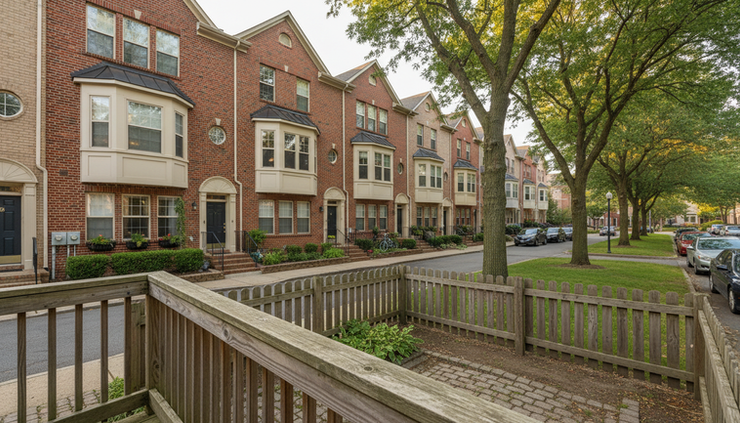
The repair responsibility starts with the governing documents
The first question is not usually
“Who wants to fix it?”
The better question is
“Who has the legal duty to fix it?”
In an HOA or condo community, repair responsibility usually comes from the governing documents. These may include:
The declaration of covenants, conditions, and restrictions
The condo declaration or master deed
Bylaws
Rules and regulations
Maintenance responsibility charts
Recorded amendments
Insurance provisions
Those documents divide the property into categories. The labels vary by state and community, but the core idea is usually the same.
The owner is often responsible for the unit or lot. That may include interior walls, appliances, flooring, fixtures, windows, garage doors, landscaping inside a private yard, or exterior features assigned to the owner.
The HOA is usually responsible for common elements. That may include roofs in some condo communities, exterior siding, shared stairs, parking lots, pools, clubhouses, elevators, private roads, drainage systems, and landscaping in common areas.
Limited common elements can cause confusion. These are areas used mostly by one owner but still controlled by the association. Examples may include balconies, patios, assigned parking spaces, exterior doors, decks, porches, or utility lines serving one unit.
That last category is where deals often get messy. A buyer’s inspection may identify a failing balcony, cracked exterior stairs, or damaged siding. The seller may not have the right to hire a contractor and make the repair because the HOA controls the area. Yet the lender or appraiser may still require the issue to be corrected before closing.
That gap can put the contract at risk.
Why government loans make the issue more serious
FHA, VA, and USDA loans are designed to expand access to homeownership, but they also come with property standards. The property must generally be safe, sound, and secure. Appraisers are not full home inspectors, but they can flag visible defects that affect habitability, safety, or marketability.
For example, an appraiser may call out:
Peeling paint on older homes
Missing handrails
Roof damage
Trip hazards
Broken windows
Exposed wiring
Structural concerns
Water intrusion
Unsafe decks, balconies, or stairs
With conventional financing, some issues may still matter, but there may be more room for lender judgment, repair escrows, or post-closing solutions. Government-backed loans can be stricter, especially when the condition affects health, safety, access, or structural soundness.
The key problem is this: the lender does not care only about who is responsible under the HOA documents. The lender cares whether the property meets loan requirements before closing.
That creates a real conflict.
The seller may say, “I cannot repair the balcony because it belongs to the association.”
The HOA may say, “We approved the repair, but the contractor cannot start for six weeks.”
The buyer’s loan officer may say, “The file cannot close until the appraiser signs off.”
Every statement can be true, and the sale can still be in trouble.
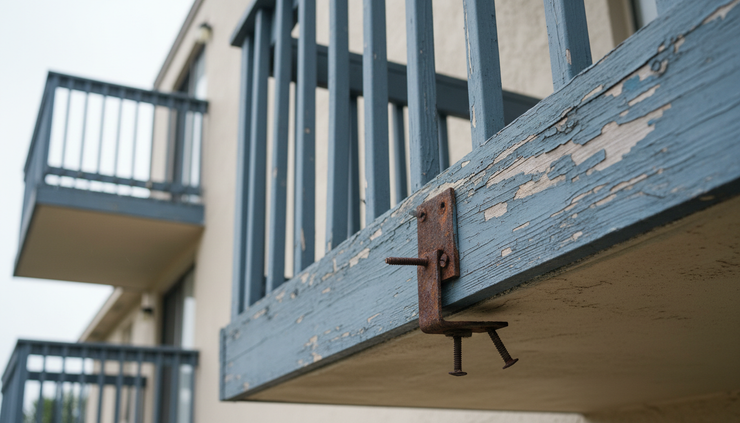
An unapproved HOA can be a bigger problem than the repair
The phrase “approved HOA” gets used loosely. In many transactions, the real issue is not the homeowners association in the broad sense. It is whether the condo project, planned unit development, or association-controlled property type meets the loan program’s approval rules.
This matters most with condos.
FHA loans and condo approval
For an FHA-insured loan on a condominium, the project usually must meet FHA condo approval rules. Some buyers may use FHA’s single-unit approval process, often called spot approval, but that still requires documentation and review.
FHA review may look at items such as:
Owner-occupancy levels
Insurance coverage
Budget reserves
Commercial space
Litigation
Delinquent dues
Special assessments
Project completion status
Restrictions in governing documents
If the condo project is not approved, the buyer may not be able to use FHA financing unless the project or unit qualifies through an allowed approval path. That process can take time, and time is scarce once a home is already under contract.
VA loans and condo approval
VA loans also have project approval rules for condos. If a condo project is not on VA’s approved list, the lender or another party may need to submit the project for review. The VA review can involve association documents, insurance, budgets, and legal documents.
A buyer using a VA loan may be fully qualified, and the unit may be affordable, but an unapproved condo project can still block the loan.
USDA loans and association concerns
USDA loans are often used in eligible rural and suburban areas. USDA has its own property and eligibility standards. While USDA transactions may not face the same condo approval process in every situation, association documents, property condition, access, insurance, and project structure can still affect approval.
The practical point is simple. Repair responsibility and project approval are separate risks. A transaction may have one problem or both.
A needed roof repair may belong to the HOA. At the same time, the condo may not be approved for the buyer’s loan program. Either one can slow the sale. Together, they can derail it.
Why timing is the real deal killer
Most purchase contracts move on tight timelines. A buyer may have 30 to 45 days to close. Some markets move even faster. HOA repairs rarely move at that speed.
An association repair may require several steps:
A written maintenance request
Inspection by the property manager or board
Board approval
Contractor bids
Funding approval
Permits, if needed
Scheduling
Completion
Reinspection by the appraiser or lender
That process may be reasonable for normal HOA operations. It may be too slow for a loan contingency deadline.
Special assessments can add another delay. If the HOA knows a major repair is needed but lacks funds, it may need to approve an assessment or borrow money. Lenders may then review the assessment, the association budget, and whether the buyer will be responsible for future payments.
Pending litigation can also matter. If the repair relates to a construction defect claim, insurance dispute, or lawsuit against the builder, the lender may need more information. Some loan programs and lenders treat litigation as a project approval red flag.
This is why buyers, sellers, and agents should not wait until appraisal conditions come back to ask basic HOA questions.
Common repair problems that create closing trouble
Not every HOA repair threatens a sale. A faded fence or minor landscaping issue usually will not stop a loan. The problems that matter most are the ones tied to safety, structure, habitability, insurability, or access.
Repair issue | Why it matters | Common challenge |
Roof damage | May affect safety, water intrusion, and insurability | HOA controls the roof and has not scheduled work |
Unsafe balcony or deck | May create a safety concern | Owner uses it, but HOA controls repair |
Broken exterior stairs | Can affect safe access | Contractor timing may miss closing date |
Peeling paint | FHA and VA appraisers may flag it, especially on older properties | Responsibility may depend on location |
Drainage or grading problems | Can point to water intrusion or foundation risk | HOA may need engineering review |
Private road issues | Access and maintenance can affect lending | Road agreement or HOA budget may be inadequate |
Structural cracks | Raises safety and marketability concerns | HOA may dispute severity or timing |
Insurance gaps | Lenders need proper coverage | Association policy may not meet loan standards |
A seller may feel blindsided by this. After all, the seller has lived with the issue for years. The HOA may have discussed it at meetings. Neighbors may know repairs are coming.
But lenders work from file documentation, loan rules, and appraiser conditions. Verbal assurances rarely solve the problem.
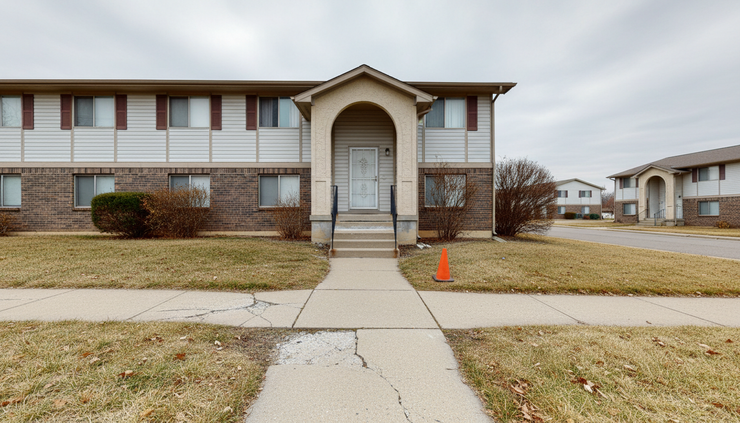
What sellers should do before listing a home in an HOA
A seller in an HOA should prepare for repair questions before the property goes active. This matters even more if the home is a condo, townhome, or property where the association controls exterior elements.
Start with the documents. Pull the governing documents, current budget, insurance certificate, recent meeting minutes, resale certificate if available, and any notices of planned repairs or assessments.
Then look at the property the way an appraiser might look at it. Focus on visible safety and condition issues.
Ask direct questions before listing:
Are there open work orders affecting this unit or lot?
Are any common elements around the property scheduled for repair?
Are there known roof, siding, balcony, stair, or drainage issues?
Are special assessments approved or under discussion?
Is the condo project approved for FHA or VA loans?
Has the association had recent litigation or insurance disputes?
Is the association’s master insurance policy current?
If the HOA is responsible for a visible defect, get written confirmation. A vague promise from a board member may not satisfy a lender. Better documentation may include a work order, board minutes, a contractor agreement, proof of funding, or a letter from the management company.
Sellers should also think carefully before accepting an offer with FHA, VA, or USDA financing if there are unresolved association repairs. That does not mean government-backed offers are bad. Many close smoothly. It means the seller should understand the property’s condition and the association’s approval status before choosing a contract.
For a property with clear HOA repair issues, timing and financing terms may matter as much as price.
What buyers should check during the contract period
Buyers should not assume the seller can fix every repair. In an HOA property, control may sit with the association.
During inspections and document review, buyers should ask for more than the standard resale packet. The goal is to find out whether the association has both the duty and the ability to handle needed repairs.
Key questions include:
What parts of the property does the HOA maintain?
Are there current or planned repairs affecting the unit?
Has the buyer’s lender confirmed project approval requirements?
Is the condo approved for FHA or VA financing, if applicable?
Are there special assessments pending?
Are reserves adequate for known repairs?
Has the appraiser flagged any conditions yet?
Can repairs be completed before the rate lock or closing deadline?
Buyers using government-backed loans should involve the lender early. The loan officer should know whether the property is a condo, townhome, PUD, manufactured home in a community, or single-family home with an HOA. Those details can change the approval path.
If the buyer waits until the appraisal comes back, the solution window may be too short.
Can the parties solve the problem without canceling the sale?
Sometimes, yes. The options depend on the loan type, lender, contract terms, HOA documents, and repair severity.
Possible solutions may include:
The HOA completes the repair before closing
This is the cleanest outcome, but it requires fast action. It works best for small repairs, such as a handrail, exterior paint, or a minor access issue.
The seller pays the HOA or contractor
If the HOA controls the repair but lacks funds, the seller may offer to pay for the work. The association must usually approve this. The seller should avoid doing unauthorized work on common elements.
The parties extend the closing date
This can work if the buyer’s rate lock, moving plans, and contract deadlines allow it. The extension should be in writing.
The lender allows an escrow holdback
Some lenders and loan programs may allow escrow for certain repairs after closing. This is not guaranteed, and safety or structural issues are often harder to escrow.
The buyer changes loan programs
A buyer may switch from FHA or VA to conventional financing if qualified. This can help in some cases, but it may change the down payment, interest rate, mortgage insurance, appraisal rules, and approval timeline.
The seller chooses a different buyer
If the project is not eligible for the buyer’s financing, the seller may need a cash buyer or a buyer using a loan program that can approve the property. That can affect price and market time.
The worst plan is hoping the issue goes unnoticed. If a repair affects safety or project approval, it can surface late and leave everyone with fewer choices.
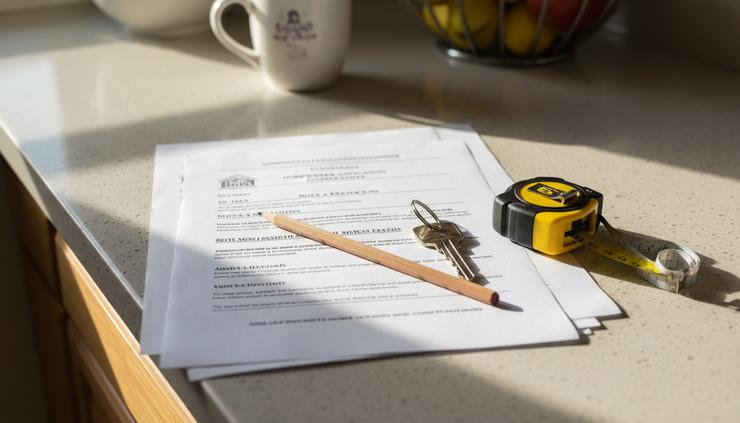
The best protection is early documentation
HOA Repairs and Home Sales Can an Unapproved HOA Jeopardize Your Gov Loan Purchase is not just a title question. It is a practical warning.
A seller may not be responsible for a repair under the HOA documents, but that does not mean the issue cannot block closing. A buyer may be approved for a government-backed loan, but that does not mean the property or project is approved. An HOA may plan to fix an issue, but that does not mean it can happen before the contract deadline.
If you were selling your home, would it need repairs first?
It is pre-inspected for a CPO Listing*
I’m honestly not sure
No—it’s ready to sell
Yes, several repairs
* learn more about Certified Pre-Owned home selling approach
See how Certified Homes are marketed by AllstarPowerhouse
The safest path is early review.
Before listing or writing an offer, identify who controls repairs, whether the association has known maintenance problems, and whether the loan program requires project approval. Get answers in writing. Share them with the lender before the appraisal creates a deadline no one can meet.
A home sale does not usually fall apart because one railing is loose or one roof repair is pending. It falls apart when the responsible party, the repair timeline, and the loan requirements do not line up fast enough.
Thinking about selling now or within the next few years? Invite an Allstar Agent Strategist to meet with you now. We’ll gladly take a look, answer your questions, and recommend steps you can take today, while there’s still plenty of time to prepare. Click CONTACT at the top right, and we’ll be there in a flash—or as soon as we can!
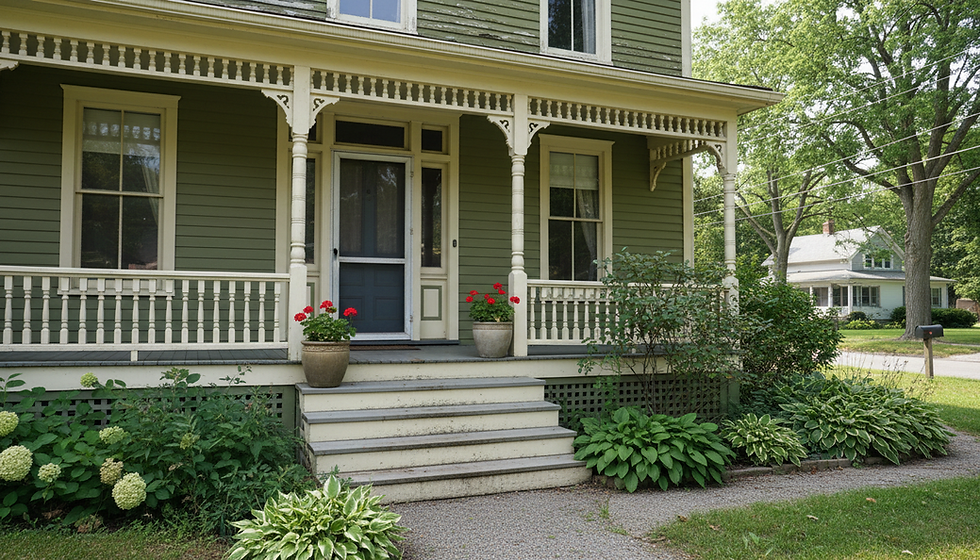

Most often, when I meet with a seller who is thinking about selling, they understandably believe there is nothing wrong with their home because it has been well maintained. Then the buyer’s inspection brings a fresh set of eyes, and sometimes a few surprises. An issue the seller has lived with for years can suddenly become a repair request, an appraisal concern, or even a financing obstacle. When the HOA controls the area needing repair, the situation becomes even more complicated. That is why identifying these issues and understanding the HOA’s responsibilities before going under contract can make all the difference. Click on contact above and we will talk you through the CPO process - great to start early even…