


Can You Sell a Mobile Home Without a Title? How to Find or Replace It
A person can live in a manufactured home for years, pay money every month, make repairs, and still discover they do not legally own it.
That is not a far-fetched problem. For example, In one real situation in 2026, during discussions around listing a home, someone believed he owned his home and had paid “rent” to another person for 10 to 15 years. Only after a DMV title search did he learn that he was no longer listed as the legal owner. The paperwork told a different story than the one everyone had been living by.
That is why title records matter. A manufactured home title can affect whether you can sell the home, move it, insure it, refinance it, leave it to family, or prove that it belongs to you.
This guide explains how manufactured and mobile homes are titled in the United States, how to confirm the current legal owner, how to replace a lost title, and what to do when the records do not match the facts on the ground.
This is general information, not legal advice. State rules vary, and a title problem can affect ownership rights.

Manufactured homes are titled differently from site-built houses
A site-built house is usually part of the land. Ownership is shown through a deed recorded with the county.
A manufactured home often starts out differently. In many states, it is titled more like a vehicle. The title may come from the DMV, a motor vehicle division, a department of revenue, or a manufactured-housing agency.
The words can vary:
Manufactured home
Mobile home
Factory-built home
HUD-code home
Trailer coach
House trailer
Older homes are often called mobile homes. Newer homes built after federal HUD standards took effect are usually called manufactured homes. State title offices may still use older terms in their forms.
The key question is whether the home is treated as personal property or real property.
This is different to a MODULAR home - which may be on-frame or off-frame. Learn the main differences.
When the home is personal property
If the manufactured home is personal property, it normally has a certificate of title. The title shows the owner, vehicle identification number, year, make, model, and any lienholder.
This is the most common setup when the home sits in a rented lot, mobile home park, family land without being legally attached, or another place where the home and land have separate owners.
When the home is real property
Some states allow a manufactured home title to be retired, surrendered, or canceled after the home is permanently affixed to land. When that happens, the home may become part of the real estate record.
That does not happen automatically in every case. A home may look permanent, have skirting, porches, utilities, and a foundation, yet still have an active title.
Before assuming anything, check both:
The state title agency record
The county land or tax record
Transferring a title is not the same as retiring it
When someone purchases a mobile or manufactured home, the title normally must first be transferred into the buyer’s name.
Unfortunately, some buyers accept a bill of sale, move into the home, and never complete that transfer, leaving the former owner listed in the state records.
Retiring, surrendering, or canceling the title is a separate process generally used when the home is permanently affixed to land and legally converted into real property. It does not happen automatically simply because the home has a foundation, utilities, porches, or skirting.
The required documents must be filed with the appropriate state and county offices, and any liens must usually be addressed.
Once properly retired, the home is generally transferred with the land by deed rather than through a separate title. Before buying or listing the property, check both the state title record and the county real-estate record to confirm which process was actually completed.
Examples of how title retirement varies by state
The terminology and requirements differ by state.
Utah uses an Affidavit of Permanently Affixed Mobile Home or Manufactured Home and Receipt of Surrender of Title, which connects the home’s identifying information with the land record.
North Carolina uses Form MVR-46G to cancel a manufactured-home title after the home is placed on a permanent foundation, the moving hitch, wheels, and axles are removed, and the land ownership or qualifying lease requirements are satisfied. North Carolina’s process also addresses existing lienholders and the home’s treatment as real property.
Florida generally requires the manufactured-home title to be in the landowner’s name before it can be retired.
Mississippi requires the owner to own both the home and the land, permanently affix the home, and record an affidavit of affixation. These examples show why owners should never assume that placing a home on a foundation automatically retires its title.
Official references: Utah Tax Commission, North Carolina DMV Form MVR-46G, Florida FLHSMV, and Mississippi Department of Revenue.
Not sure where to start? Follow these steps
Step 1: Find the home’s identification numbers.Look for the VIN or serial number on the title, HUD label, data plate, frame, tax record, or older paperwork. A double-wide may have two numbers.
Step 2: Check who legally owns the home.Contact your state’s DMV, motor vehicle division, revenue department, or manufactured-housing agency. Ask whose name is on the title, whether the title is active or retired, and whether any liens are recorded.
Step 3: Check the county property records.Ask the county recorder, register of deeds, assessor, or tax office whether the home is recorded as personal property or as part of the real estate.
Step 4: Determine which process you need.
If the seller is still listed as the owner, complete a title transfer.
If the title was lost but is already in your name, request a duplicate title.
If the home is permanently affixed to qualifying land, ask whether the title should be retired or canceled.
If the records show another owner, an old lien, or a deceased owner, stop and ask the agency what additional documents are required.
Step 5: Complete your state’s forms.The form names vary. Utah uses an affidavit of permanent affixation and title-surrender process. North Carolina uses Form MVR-46G when canceling a manufactured-home title into real property.
Step 6: Confirm that the records were updated. Do not assume filing a form completed the process. Obtain written confirmation from the state and check the county record again.
Step 7: Keep everything together. Save copies of the title, deed, recorded affidavit, lien releases, tax records, receipts, and agency correspondence. You may need them when selling, refinancing, insuring, moving, or inheriting the home.
Confirm the current legal owner before money changes hands
The safest time to check title ownership is before buying, selling, moving, inheriting, or paying someone for the home. The second-safest time is now.
To start a title search, gather as much identifying information as possible.
Look for:
The home’s VIN or serial number
HUD certification label numbers on the exterior
A data plate inside the home, often in a cabinet, closet, utility area, or electrical panel area
Year, make, model, and size
Prior owner names
Park address or physical location
County where the home is located
Any old title, bill of sale, tax bill, registration, or loan paperwork
The VIN is often the most useful piece of information. A double-wide may have more than one VIN or serial number, one for each section.
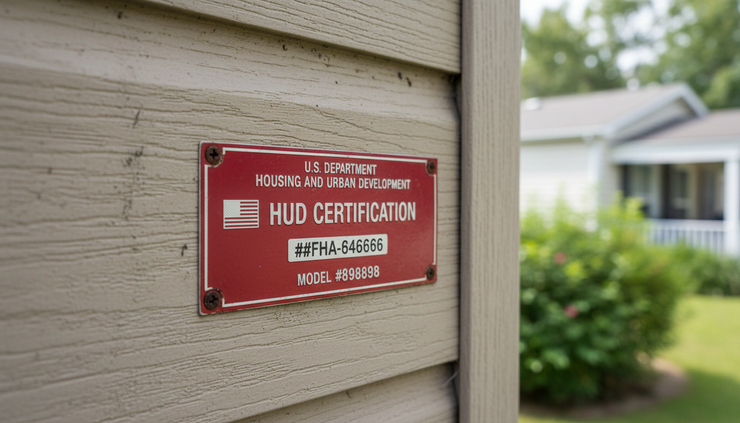
Ask the correct agency for the record
The agency depends on the state. It may be called the DMV, Bureau of Motor Vehicles, Department of Revenue, Housing and Community Development, Manufactured Housing Division, or a county title office.
When you contact the agency, ask for a title record search or manufactured home title lookup. Some agencies will release a title history. Others may only confirm whether the information you provide matches their records.
If privacy rules prevent staff from giving names or details, ask yes-or-no questions.
Useful questions include:
Is this VIN active in your title system?
Is the title currently in my name?
Is the title currently in the seller’s name?
Is there a lienholder listed?
Has the title been canceled, retired, or surrendered to real property?
Is there a duplicate title on file?
Was a transfer application ever submitted?
Is the title marked as abandoned, salvage, or otherwise restricted?
Does the agency need a court order, affidavit, bond, or other form to correct the record?
Keep notes of each call. Write down the date, agency, phone number, person you spoke with if they provide a name, and what they said.
Replace a lost title the right way
A lost title is common. A broken title chain is more serious.
If the current legal owner is known and available, replacing the title is usually straightforward. The owner fills out the state’s duplicate title application, proves identity, pays the fee, and waits for the replacement title.
The exact form and process vary by state, but the agency will usually ask for:
Owner name and address
VIN or serial number
Year, make, and body type
Lienholder information, if any
Signature of the titled owner
Notarization in some states
Fee payment
If there is a lien, the lienholder may need to release the lien before the title can transfer. Do not skip this. A lien can block a sale even if the seller has possession of the home.
If the titled owner has died, the process may involve probate, a small estate affidavit, a surviving spouse form, or a court order. This is one of the times when the right answer depends heavily on state law.
When the records do not match
A mismatch can happen in several ways.
The person living in the home may not be the titled owner. The seller may have signed a bill of sale but never submitted the title transfer. A family member may have inherited the home informally. A park owner may claim authority to sell a home that still belongs to someone else. A prior lien may still show in the system.
Do not assume possession equals ownership.
If the home was sold without a proper title transfer, gather every document you can find:
Bill of sale
Purchase agreement
Receipts or canceled checks
Text messages or letters about the sale
Prior title copy
Park records
Tax records
Insurance records
Repair receipts
Death certificates or probate papers, if relevant
Then ask the agency what process fits the facts. Some states offer bonded titles, surety bond procedures, abandoned-home processes, court-ordered titles, or title correction forms. Others require the last titled owner to sign before anything can move forward.
This is where a manufactured home title problem can become a legal problem.
Know when to bring in help
Many title issues can be fixed directly with the state agency. Some should not be handled alone.
Bring in an attorney, title specialist, or manufactured-housing agency when:
The titled owner denies the sale
The titled owner cannot be found
Someone has paid for years but is not listed as owner
A deceased owner remains on title
A lien appears that was supposed to be paid off
The home sits on land owned by someone else
The park or landlord claims ownership
The title was canceled into real property, but county records are unclear
The agency says it needs a court order
Several people claim the same home
A title specialist may help with forms and agency procedure. An attorney can advise on ownership rights, fraud, probate, eviction risk, contract claims, and court filings.
If the dollar value is high or the home is your primary residence, professional help can be worth it.

State-by-state starting points for manufactured home title records
Use the links below as starting points. In some states, the listed agency may direct you to a county office, tax office, housing division, or separate manufactured-housing program.
State | Starting point |
Alabama | |
Alaska | |
Arizona | |
Arkansas | |
California | |
Colorado | |
Connecticut | |
Delaware | |
Florida | |
Georgia | |
Hawaii | |
Idaho | |
Illinois | |
Indiana | |
Iowa | |
Kansas | |
Kentucky | |
Louisiana | |
Maine | |
Maryland | |
Massachusetts | |
Michigan | |
Minnesota | |
Mississippi | |
Missouri | |
Montana | |
Nebraska | |
Nevada | |
New Hampshire | |
New Jersey | |
New Mexico | |
New York | |
North Carolina | |
North Dakota | |
Ohio | |
Oklahoma | |
Oregon | |
Pennsylvania | |
Rhode Island | |
South Carolina | |
South Dakota | |
Tennessee | |
Texas | |
Utah | |
Vermont | |
Virginia | |
Washington | |
West Virginia | |
Wisconsin | |
Wyoming | |
District of Columbia |
A careful title search can prevent years of trouble
The most useful step is simple: verify the record before relying on anyone’s memory, promise, or handshake.
If you are buying a manufactured home, do not hand over full payment until you know who the titled owner is, whether liens exist, and what the state requires for transfer. If you already live in the home, check the title now, especially if the sale was informal or happened years ago.

When the records match, keep copies in a safe place. When they do not, slow down and get the right agency guidance. If ownership is disputed, the titled owner has died, or the agency needs a court order, bring in qualified help.
A manufactured home may be where life happens every day, but ownership lives in the records. Make sure those records say what everyone thinks they say. Not sure what your manufactured home records actually show?
If you are buying, selling, inheriting, or already living in a manufactured home, verifying the title now can prevent serious problems later. We can help you understand the next steps and connect you with the appropriate resources.


Me pareció muy interesante este artículo porque presenta la información de manera clara y sencilla. Estaba buscando información sobre magis tv y encontré detalles útiles para comprender mejor sus características. Este contenido resulta práctico para quienes desean conocer diferentes opciones de entretenimiento y revisar información importante antes de utilizar cualquier servicio digital.